

When the temperature starts to drop, your air conditioner can still keep your home comfortable. Modern reverse-cycle air conditioners are designed to provide both cooling and heating, making them an efficient choice for Australian winters.
However, how you use your system can have a significant impact on its energy consumption and performance. From choosing the right temperature to keeping your filters clean, a few changes can help you stay warm without unnecessarily increasing your energy bills.
Here are our 10 tips for getting the most efficient use from your air conditioner this winter.
1. Set your temperature sensibly
One of the easiest ways to reduce energy consumption is to avoid setting your air conditioner too high. While it can be tempting to turn the heating right when you come inside from the cold, setting the temperature excessively high can make your system work harder than it needs to.
As a general guide, aim for a comfortable indoor temperature rather than trying to make the room feel hot. A setting around 18–21°C is often a good starting point, depending on your household and personal comfort.
2. Use the heating mode correctly
If you have a reverse-cycle air conditioner, make sure you have selected the heating mode rather than simply increasing the temperature while the system is still in cooling or automatic mode. We get a lot of calls during winter from people saying their air conditioners aren’t working properly. However, they have just forgotten to change the mode over to heating.
Look for the heating symbol, usually represented by a sun icon, on your remote control. Once selected, give the system a little time to warm the room rather than constantly adjusting the settings.
3. Keep doors and windows closed
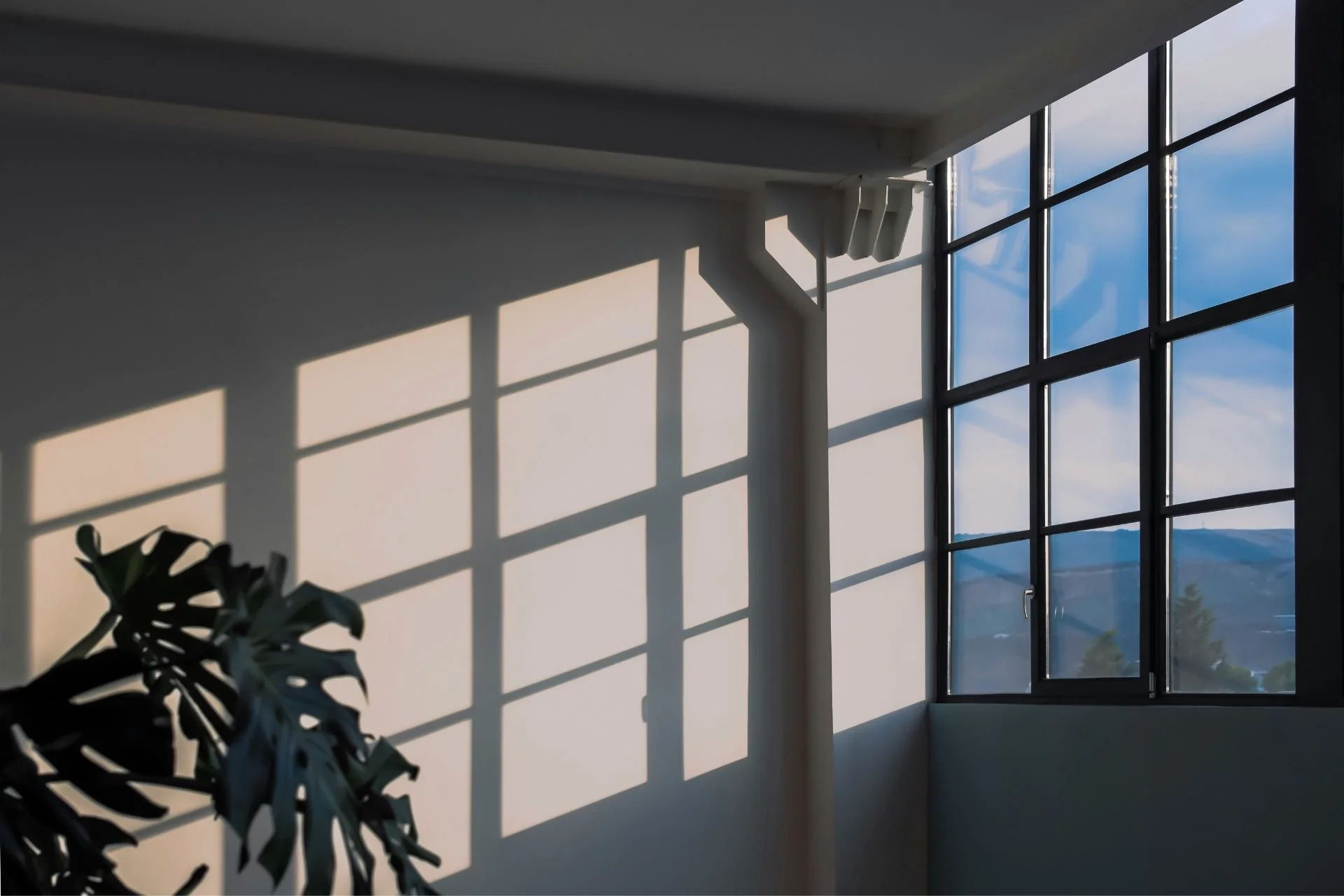
Running your air conditioner with the doors and windows open makes it much harder to keep the house cosy. Warm air can escape while cold outdoor air enters, forcing your system to work continuously to compensate.
When you’re using your air conditioner for heating, close the doors and windows wherever possible. If you need fresh air, briefly ventilate the room rather than leaving windows open for extended periods while the heating is running.
4. Clean your air filters
Dirty filters can restrict airflow and make your air conditioner work harder. Over time, dust and other particles can build up on the filters, reducing the system's ability to circulate heated air effectively.
Check your filters regularly and clean them according to the manufacturer's instructions. How often they need cleaning will depend on factors such as usage and the amount of dust in your home.
5. Don't turn the temperature up to heat the room faster
Setting your air conditioner to 28°C doesn't mean it will heat the room faster than if you set it to 21°C. Instead, the system will generally continue heating until the desired temperature is reached.
Rather than increasing the temperature, choose a comfortable setting and allow your air conditioner to do its job. This can help avoid unnecessary energy consumption.
6. Use timers and scheduling
If your air conditioner has a timer or scheduling function, take advantage of it. You can schedule your system to switch on shortly before you normally wake up or arrive home, and turn off when heating is no longer needed. This can provide comfort when you need it without running the system unnecessarily.
7. Keep the outdoor unit clear
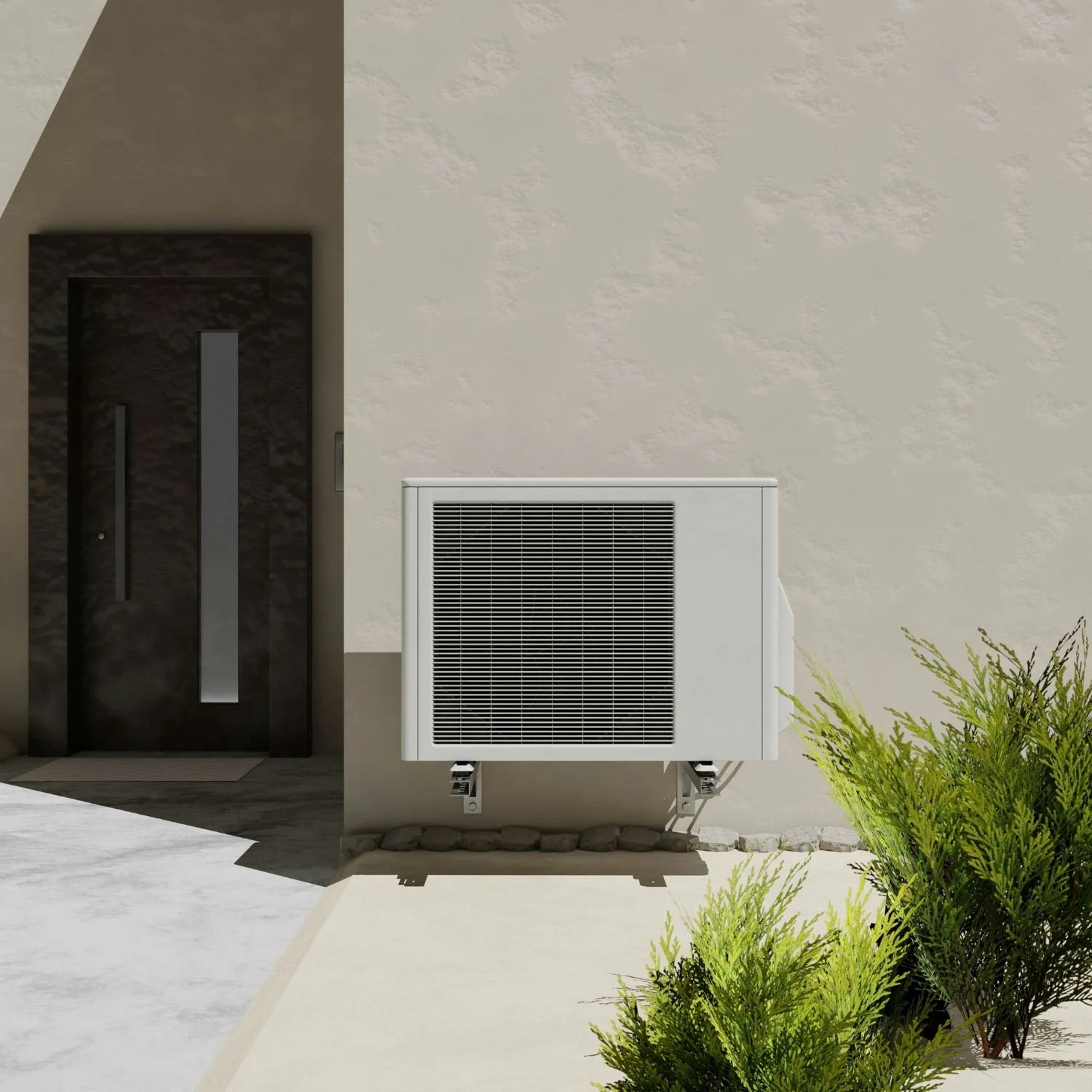
Your air conditioner's outdoor unit needs proper airflow to operate effectively. Make sure leaves, branches, weeds and other debris aren't blocking the unit.
Regularly check the area around the outdoor unit and keep any vegetation trimmed back. Avoid placing objects directly around or on top of the unit, as restricted airflow can affect performance.
8. Make use of your air conditioner's fan settings
Depending on your system, different fan settings can affect how air is circulated throughout the room. In many situations, using the automatic fan setting allows the system to regulate airflow as needed.
9. Reduce heat loss around your home
Your air conditioner isn't the only factor affecting how warm your home feels. Poor insulation, gaps around doors and windows, as well as uncovered windows can all contribute to heat loss.
Closing curtains and blinds at night, sealing obvious draughts and improving insulation can help retain warmth. The less heat your home loses, the less work your air conditioner needs to do to maintain a comfortable temperature and keep your home warm.
10. Have your air conditioner serviced
Regular professional servicing can help ensure your air conditioner is operating safely and efficiently. Your local air conditioning technician can inspect the system, clean it, check refrigerant levels and identify potential issues before they develop into more significant problems.
If your air conditioner is struggling to heat your home, making unusual noises, producing unpleasant smells or using noticeably more energy than usual, it may be time to have it looked at.
Stay comfortable this winter
Using your air conditioner efficiently is all about using it intelligently and making sure your home and air conditioner are working together.
Simple habits such as maintaining a sensible temperature, cleaning filters, keeping the outdoor unit clear and reducing heat loss can all help improve efficiency throughout winter.
If your air conditioner isn't performing as it should or you're considering upgrading to a more efficient reverse-cycle system, the friendly team at Alpine Air & Electrical can help you find the right solution for your home.

Get your heating ready for winter
Contact our friendly team today.