
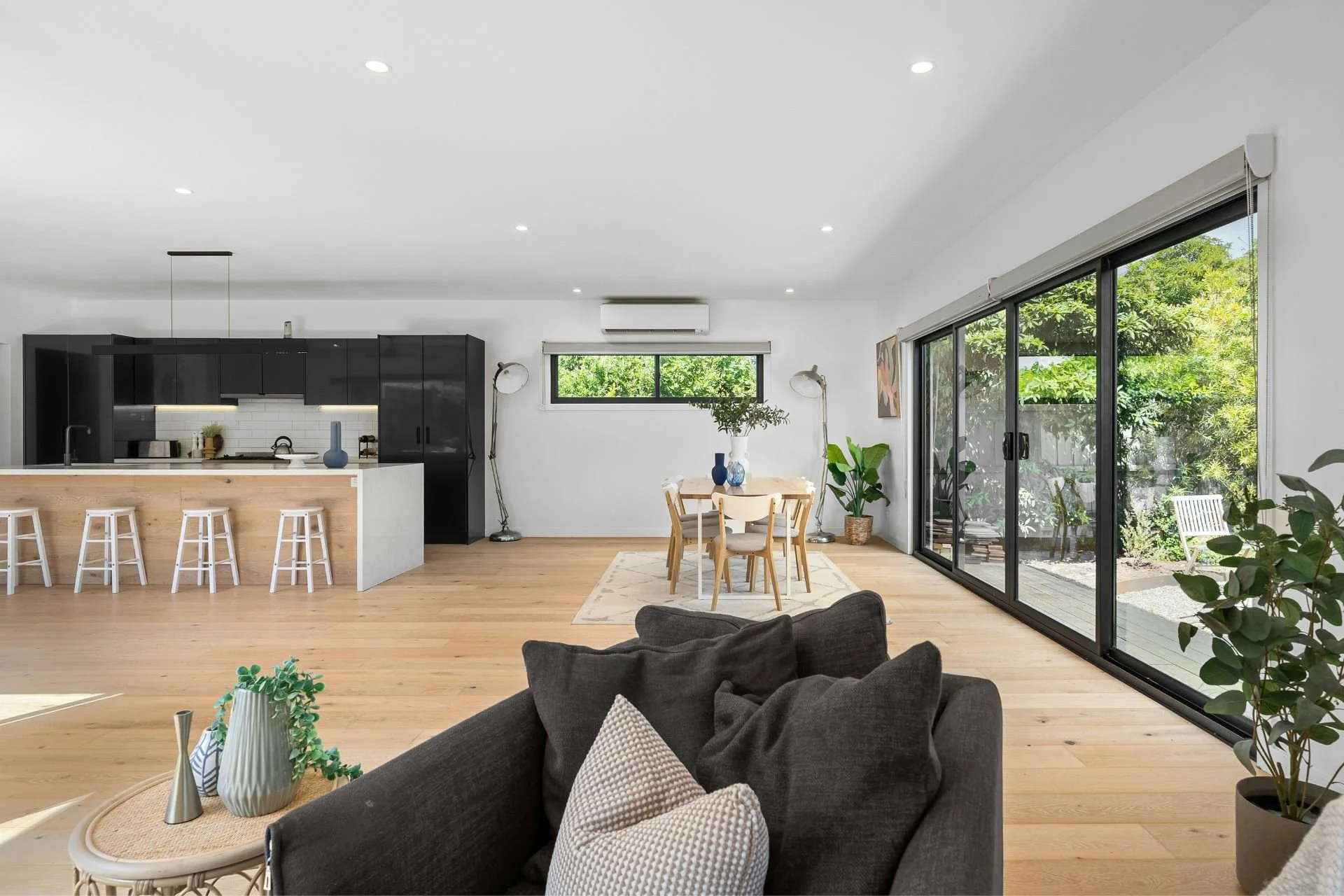
One day your air conditioner might start making unusual noises, struggle to cool your home or stop working altogether. It can be tricky to decide whether you should repair it or replace it? The answer isn’t always straightforward. The right choice can depend on the age and condition of your system, the type of problem it has, how often it has needed repairs and how well it is operating.
At Alpine Air & Electrical, we can assess your existing air conditioner and help you understand whether a repair is worthwhile or whether replacement is the better option long term.
When is it worth repairing your air conditioner?
Repairing your air conditioner can often be the most practical option when the system is relatively new, has been reliable and has developed a straightforward fault.
Some air conditioning problems can be resolved by repairing or replacing a specific component rather than the entire system. Issues such as blocked filters, drainage problems, faulty electrical components or other minor faults may not justify the cost of a complete replacement.
If your air conditioner has otherwise been performing well, repairing the existing system can extend its service life while avoiding the cost of a new installation.
It is also worth considering the overall condition of the system. If it has been properly maintained and there are no signs of significant wear or deterioration, a repair may make sense.
However, the immediate repair cost isn't the only factor to consider. If an older system is already experiencing multiple problems, paying for another repair may just delay the need for replacing the unit.
When should you consider replacing your air conditioner?
When deciding whether to repair or replace an air conditioner, age is one of the biggest factors to consider. As systems get older, components can become worn and replacement parts may become more difficult or expensive to find. An older air conditioner may also become less efficient and require more frequent servicing.
If your air conditioner is regularly breaking down, struggling to maintain your desired temperature or becoming increasingly expensive to operate, replacement may be the best option.
A new system can also provide benefits beyond simply having a working air conditioner. Modern systems can offer improved energy efficiency, quieter operation and more advanced controls and features, making a new system the better long-term choice.

Signs your air conditioner may be nearing the end of its life
Your air conditioner will often give you warning signs before it reaches the end of its life.
Keep an eye out for:
Frequent breakdowns or repeated service calls
Increasing electricity bills
Poor or inconsistent cooling or heating
Strange noises coming from the system
Unusual smells when the air conditioner is operating
Water leaking from the indoor unit
The system taking longer to reach the temperature you’ve set
Repairs becoming increasingly expensive
Parts becoming difficult to source
One of these problems doesn't necessarily mean you need a new air conditioner. However, if you're experiencing several of them at the same time, it may be worth having your air conditioner assessed and discussing your replacement options.
Consider the cost of running your current system
The cost of an air conditioner isn't limited to the initial purchase or repair price. It's important to also consider how much it costs to operate throughout the year.
An older or poorly performing system may consume more energy to heat or cool your home, particularly if it needs to work harder to maintain your set temperature.
If you've noticed your energy bills increasing or your air conditioner running for longer periods than it used to, it may be worth looking at the system's overall efficiency.
Replacing an inefficient system with a modern, appropriately sized unit may improve comfort and potentially reduce ongoing energy costs.
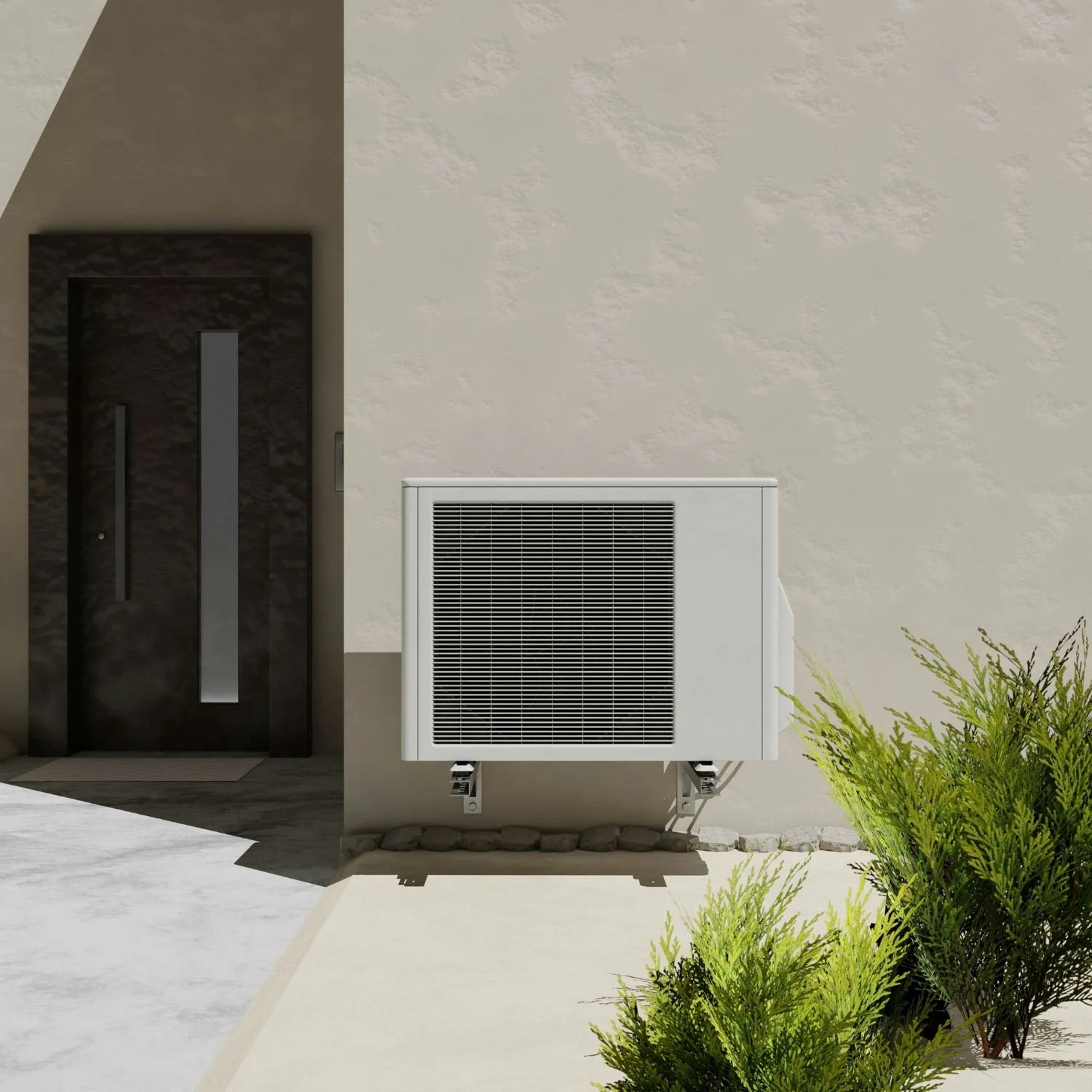
Don't wait until your air conditioner breaks down
If your air conditioner is showing signs of deterioration, you don't necessarily have to wait until it stops working completely before considering replacement.
It’s better to plan ahead so you have time to assess your options, choose a suitable replacement and organise an installation when it is convenient for you. This can be particularly useful if your air conditioner is used heavily during peak summer or winter months.
It can also help you avoid making a rushed decision when you're suddenly left without heating or cooling.
Considering the bigger picture
Before deciding, consider the age of your system, the cost of the repair, how frequently it has needed repairs, its current running costs and how well it is performing.
For example, spending a relatively small amount to repair a well maintained air conditioner may be a sensible investment. On the other hand, putting a lot of money into an older system that has experienced several faults may not provide the same value.
It's also important to consider whether your current system is sized properly for your home and whether your heating and cooling needs have changed since it was installed.
Get professional advice before making a decision
You don't necessarily need to replace your air conditioner just because it has stopped working. Equally, repeatedly repairing an old and inefficient system may not be the best investment.
The best approach is to have the system professionally assessed before deciding. At Alpine Air & Electrical, we can identify the problem, assess the condition of your air conditioner and explain whether repair or replacement is likely to be the better option.
If a replacement is recommended, we can also help you select a system that is suited to your home and needs.
Not sure whether to repair or replace your air conditioner? Contact Alpine Air & Electrical to arrange an assessment and find out which option makes the most sense for your home.

Arrange an inspection
Contact the friendly team at Alpine Air & Electrical