
It’s no secret homeowners with air conditioning love the comfort it provides, especially in warm, coastal regions like Sydney’s Northern Beaches where the humidity can linger beyond the months of summer. While our air conditioning keeps our homes cool, it also contributes to energy use and has an environmental impact. The good news is that simple choices can make a difference. In this article, we share how small habits, efficient systems and proper maintenance can help keep your environmental footprint low.
How air conditioning affects the environment
Air conditioning impacts the environment in two key ways: energy consumption and refrigerant use.
Energy consumption
According to energy.gov.au, “heating and cooling can account for 20% to 50% of energy used in Australian homes”. When more and more people use their air conditioning during hot weather, the electricity grids work harder, often relying on non-renewable energy sources, increasing carbon emissions. Older or poorly maintained units generally use more electricity, increasing their environmental impact.
Refrigerant gases
Air conditioners rely on refrigerants which can be extremely harmful to the environment if they are released. Many old refrigerants such as R410a are potent greenhouse games. The Department of Climate Change, Energy, the Environment and Water tells us just “one kilogram of refrigerant R410a has the same greenhouse impact as 2 tonnes of carbon dioxide”, which is the equivalent of driving your car for 10,000 km.
Refrigerants leak into the atmosphere when an air conditioner is faulty or poorly maintained. It can also leak into the atmosphere when equipment is improperly disposed of. You can stop this by only using licensed air conditioning technicians such as Alpine Air & Electrical who know how to properly maintain and manage these gases.
It’s important to also look for air conditioners that use R32, opposed to R410A, like Mitsubishi Electric’s AP Series. Their website states, “R32 enables increased energy efficiency compared to R410A, with just one third of the global warming potential, the risk of environmental harm is greatly reduced”.
Simple ways to make your air conditioning more sustainable
Through thoughtful decisions and good habits listed below, you can achieve sustainable cooling.
1. Choose an energy efficient system
Upgrading to a modern, energy-efficient unit is one of the most effective ways to reduce environmental impact. Energy efficient units use less electricity and maintain a consistent temperature without working overtime.
Split system air conditioners must display an Energy Rating Label, which indicates their efficiency across three different climate zones: hot, average, and cold. This label, known as a Zoned Energy Rating Label, helps you identify the energy performance most relevant to your local climate.
2. Position your unit correctly
When your unit is positioned correctly, it prevents overheating, reducing strain on the system and improving long-term efficiency. Your technician will ensure the outdoor unit is installed in a shaded, ventilated area, protected from direct coastal exposure and the indoor unit has good circulation of air flow to function optimally.
3. Keep your system well maintained
Routine maintenance keeps your air conditioner running as it should. A well maintained unit uses less power and is less likely to leak refrigerant. During your maintenance with Alpine Air & Electrical we:
Clean or replace filters
Check for airflow blockages
Ensure refrigerant levels are correct
Inspect for early signs of wear, especially on coastal homes
Ensure you book your maintenance in Spring or Autumn, before peak use.
4. Coatings for waterfront and coastal homes
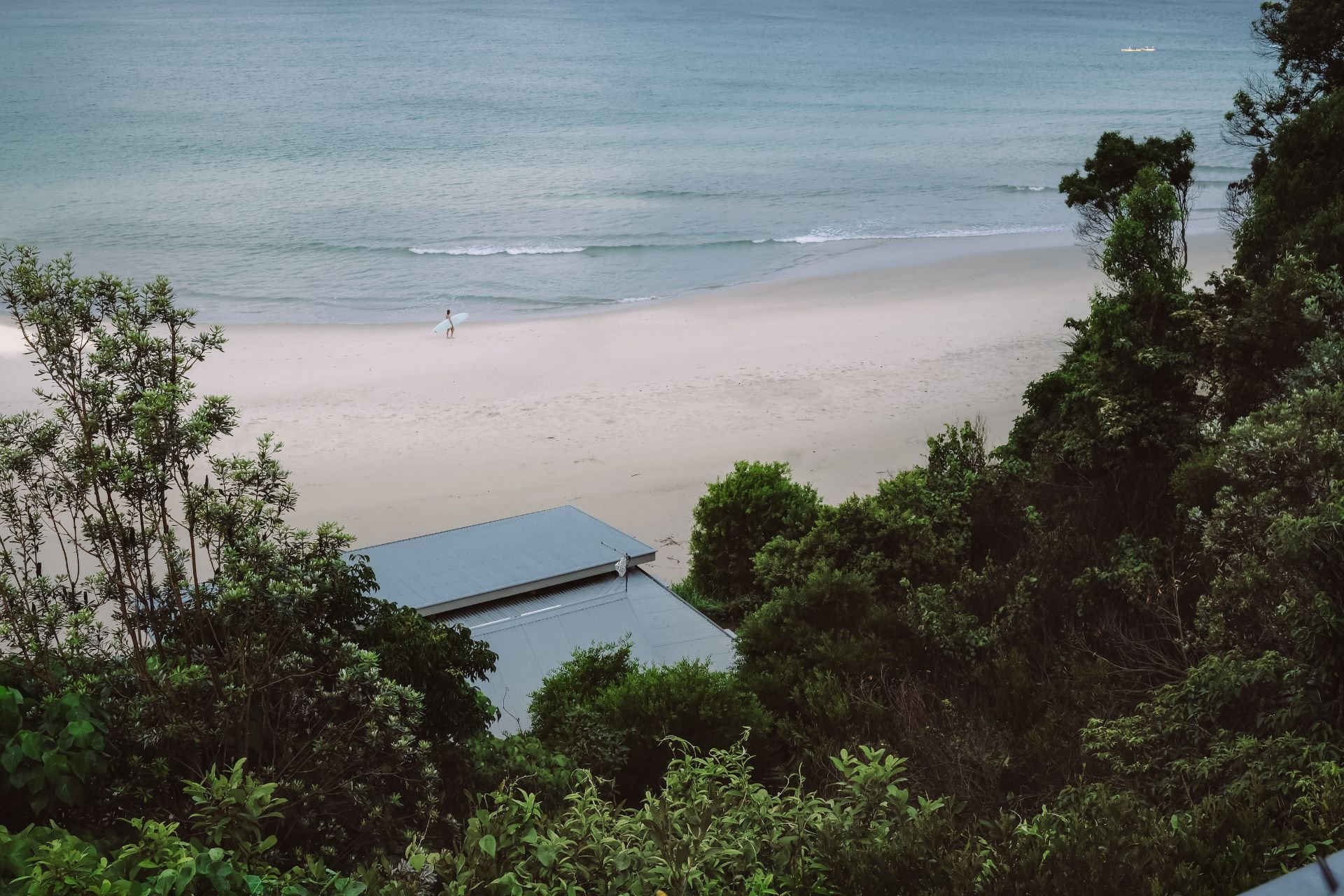
If your home is positioned close to the waters edge, it’s important you have a specialised anti-corrosion coating applied to your outdoor unit. This will help your unit last longer and reduce waste.
Learn more about coastal homes and air conditioning.
5. Optimise your usage
The way you use your air conditioner each day can dramatically reduce your energy use and environmental impact. We recommend these habits:
Set your temperature to a comfortable 20-22 degrees Celsius for cooling. (Every degree of extra heating or cooling increases your energy use between 5% and 10%)
Use ceiling fans to circulate the air
Ensure windows and doors are closed while using your unit
Block daytime heat with blinds or curtains
Cool only the rooms you’re using
These simple steps help your system work efficiently without using excess energy.
6. Use renewable energy
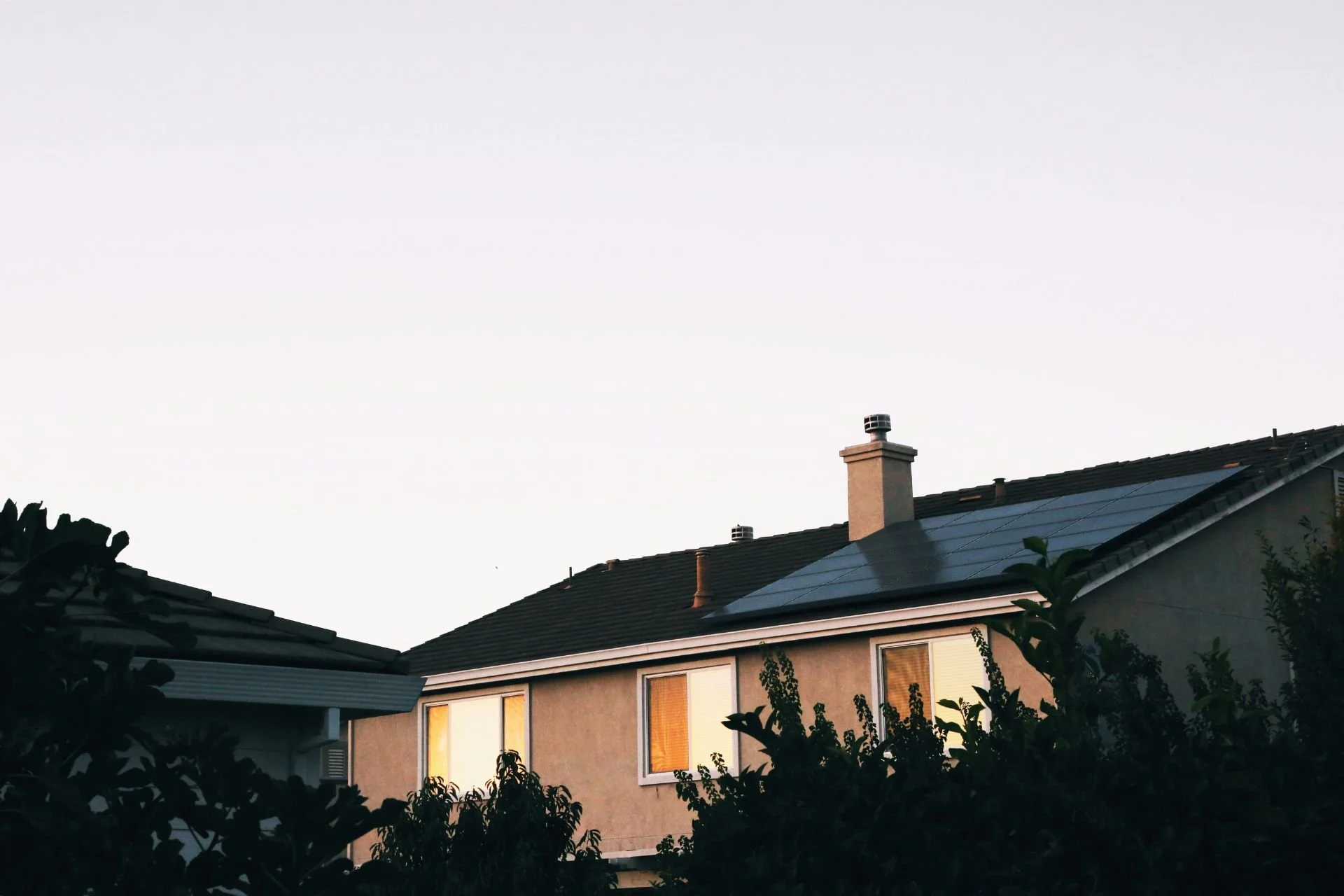
If your home has solar power, using your air conditioning during peak solar hours will significantly reduce grid reliance and emissions, creating a truly eco-friendly home.
7. Upgrade your system when it’s past its prime
Old air conditioners use a lot more energy than newer models and can rely on harmful, outdated refrigerants. If you find your system is struggling to heat or cool, needs repairing frequently or is more than 10 years old, upgrading can reduce your energy use and environmental footprint dramatically.
Creating a more sustainable, comfortable home
Air conditioning plays an important role in keeping our homes comfortable. By choosing an efficient system, maintaining it well and adopting smarter usage habits, you can still enjoy reliable cooling while reducing environmental impact and supporting a greener future.
If you’d like professional advice on efficiently, air conditioning upgrades or servicing, our friendly team is here to help. Reach out to us today.