
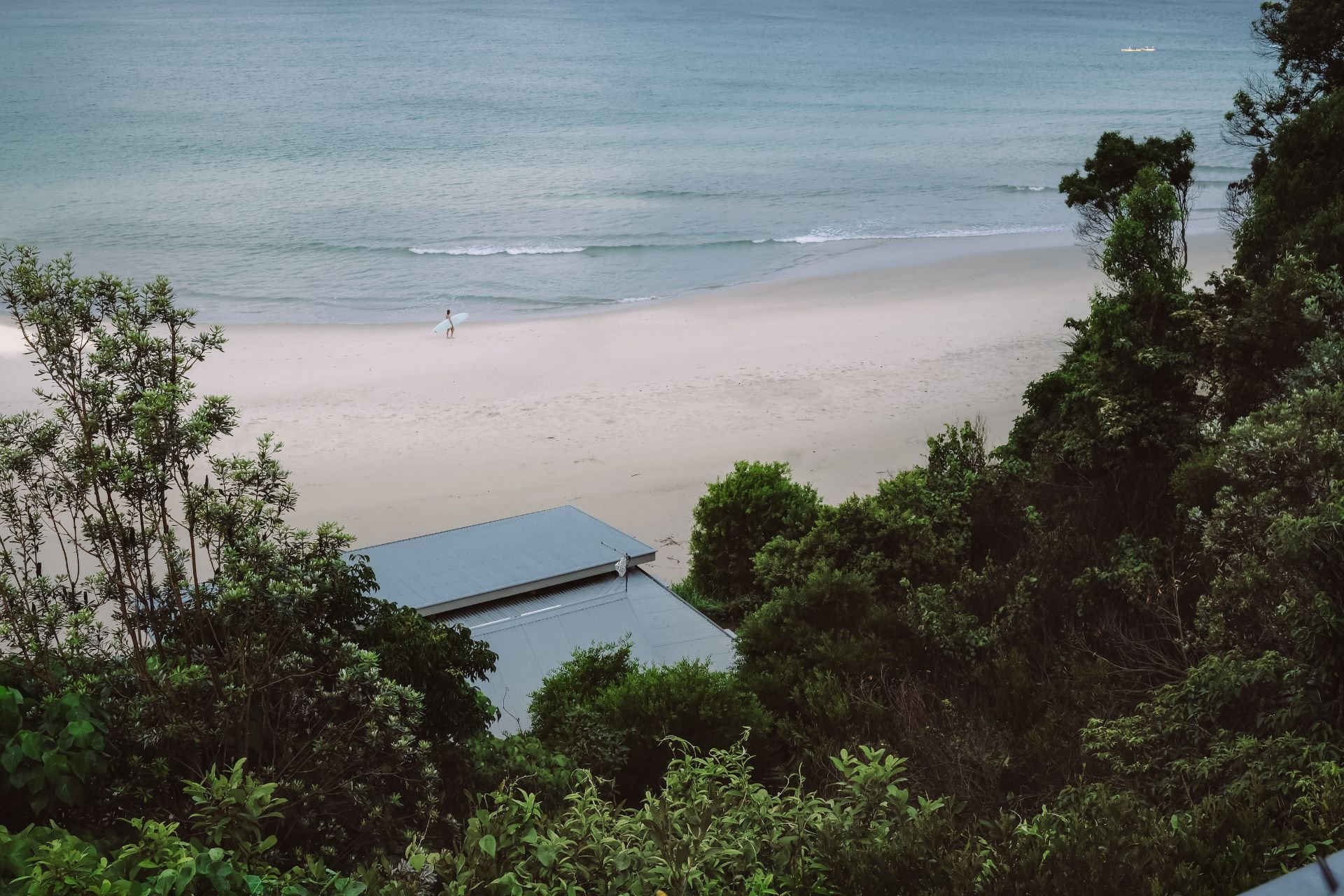
Living on the Northern Beaches comes with many perks… beautiful ocean views, cool sea breezes and a relaxed coastal lifestyle locals love. But for homeowners, especially those living right on the waterfront or within a few streets of the oceans, the coastal environment can also present some challenges. One of the biggest? The impact of salty air on your air conditioning system.
If you live anywhere from Palm Beach to Manly, the proximity to the oceans means your home is constantly exposed to salt-laden air. While refreshing for you, it can be harsh on your air conditioning unit. Understanding how salt exposure affects your system, and how to protect your investment, is essential for keeping your home comfortable year-round.
In this article, we break down why coastal conditions matter, how to position and protect your unit and the important considerations that Northern Beaches homeowners should know.
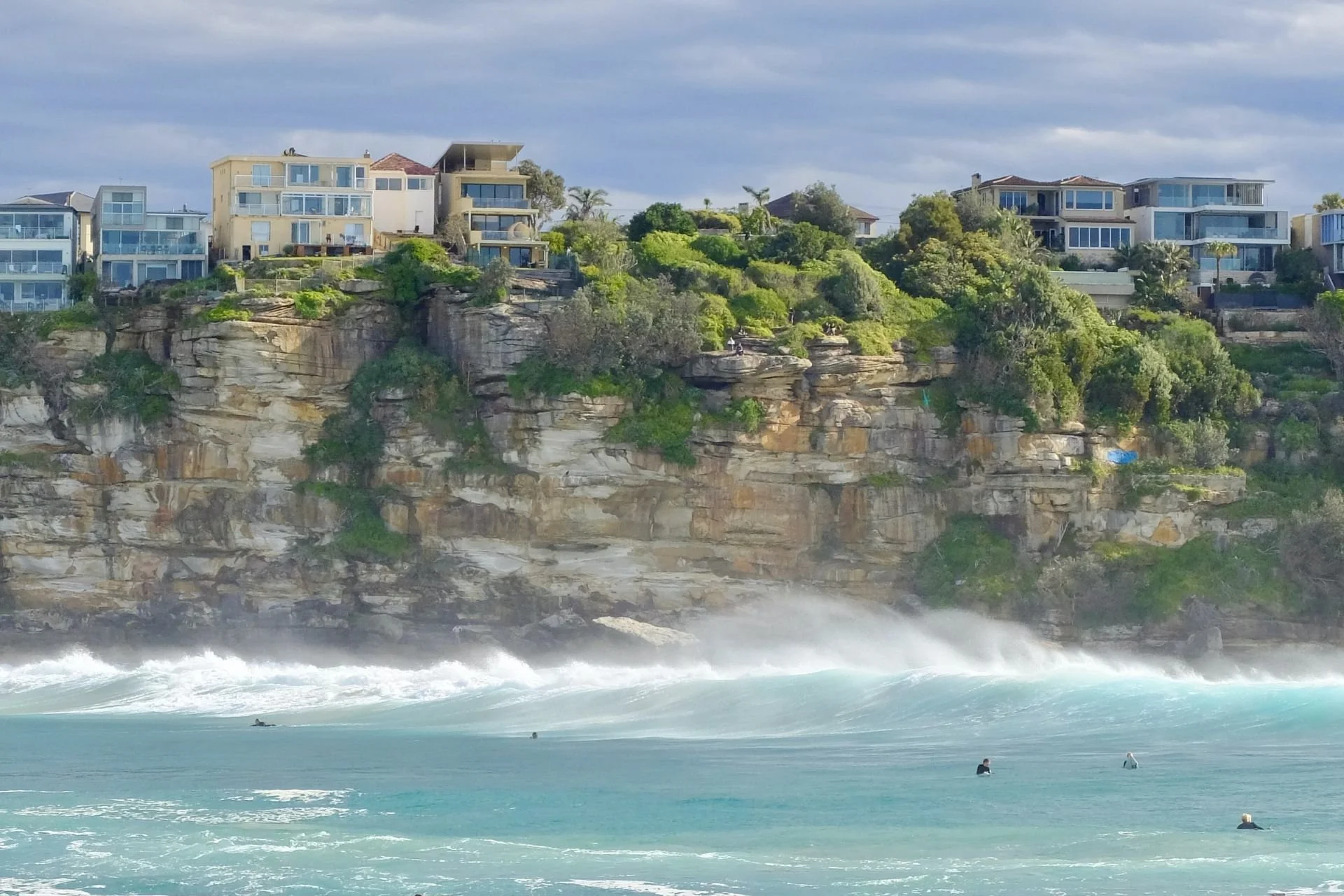
The effects of coastal salt air on air conditioning systems
Salt air is highly corrosive. When fine salt particles settle on the surface of your outdoor unit, they speed up the corrosion process, especially on metal components like coils and casings. Over time, this can lead to:
Reduced efficiency
Higher power usage
Costly repairs
Shortened system lifespan
It’s important to understand that even premium systems can deteriorate faster if not properly protected. In coastal suburbs such as Whale Beach, Bilgola, Newport or Narrabeen (where homes are often just metres from the shoreline), these risks are significantly higher.
Why proper placement matters
One of the best ways to protect your air conditioning unit from salty air is choosing the right location for the outdoor unit. The placement of your outdoor unit directly affects the performance and longevity.
Here’s what you should consider:
1. Avoid direct exposure to sea spray and prevailing winds
If your home faces the beaches or is perched on an ocean-facing hill, your unit may be hit with strong salt-laden winds. Placing the outdoor unit in a more sheltered area, such as the side of the house away from ocean winds, can significantly reduce salt build up.
2. Elevation helps
Installing the outdoor unit slightly elevated, especially in lower-lying coastal homes, helps avoid saltwater or rain carrying salt residue from pooling.
3. Allow for proper airflow
Sheltering the unit doesn’t mean enclosing it completely. Restricted airflow makes your system work harder. Shade and ventilation is key. Places such as a carport, under a deck, behind a wall or under an eave can help protect the unit without restricting airflow.
When our technicians come out to quote for your job, they will discuss the placement of the unit with you, helping your system to stay as protected as possible. In turn, keeping it cleaner, more efficient and less vulnerable to environmental wear.
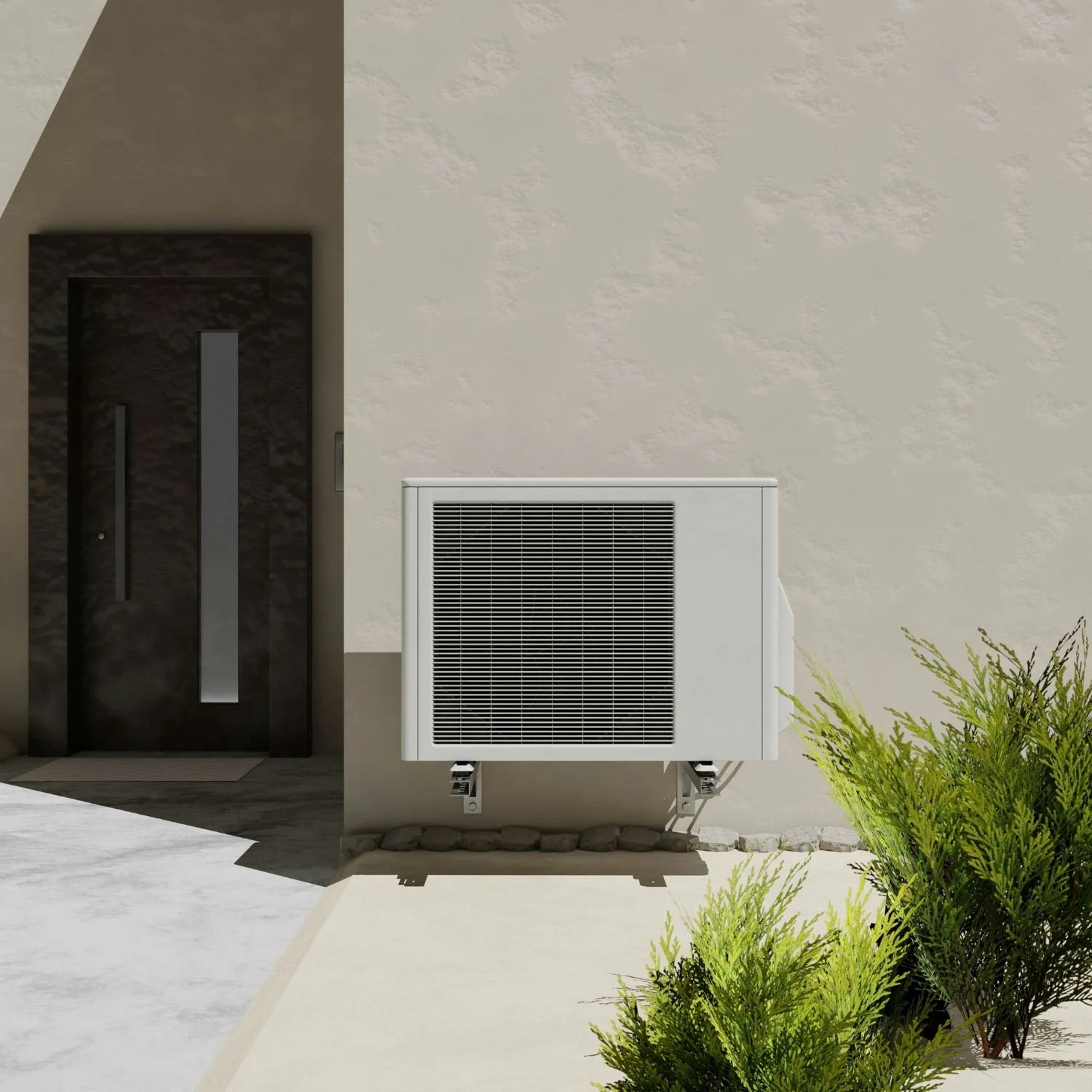
The importance of protective coatings
For coastal homes, protective coatings are one of the more effective ways to extend the life of your air conditioning system.
What are protecting coatings?
Protective coatings are specialised anti-corrosion coatings applied to outdoor components of your air conditioning system such as the coil. These coatings are usually a thin layer of high UV and chemical resistance properties which prevent corrosions and can triple the lifetime of the unit.
Regular maintenance: your best long-term protection
Even with great placement and protective coatings, coastal homes still require more frequent care than inland properties.
Here’s what Alpine Air & Electrical recommends:
1. Quarterly outdoor unit cleaning
Housing down the external coils (gently, using low pressure) helps wash away salt deposits before they cause damage. This maintenance step can make a massive difference.
2. Annual professional servicing
A licensed technician will assess coil health, check for early signs of corrosion and ensure your system continues to run efficiently.
3. Keeping the area clear
Clear away debris, sand, leaves and any plant matter. Organic build up holds moisture and accelerates rust.
4. Monitoring performance
If you notice your system struggling to cool, running louder than usual or using more power, corrosion may already be affecting performance. It’s important you identify this early.
Choosing the right system for coastal homes
When selecting an air conditioning system for your home, consider:
Models specifically designed for coastal environments
Systems with corrosion-resist outdoor units
Brands known for marine-grade coil coatings
Investing in additional protective coatings
Quality installation from a trusted local Northern Beaches air conditioning technician familiar and experienced with coastal conditions.
At Alpine Air & Electrical, we will help you choose the best system for your home to help extend the life of your air conditioning system. We consider the wind direction, distance from the beach, property layout and long-term exposure before deciding on placement and equipment.

Protect your investment
Installing air conditioning in a coastal or waterfront home is a long-term investment, but only if the system is protected properly. With thoughtful placement, the right coatings, and regular maintenance, you can significantly extend the life of your air conditioner. For Northern Beaches homeowners, understanding the impact of salt exposure is essential. Whether you live on the headlands of Whale Beach, the flats of Narrabeen Lagoon, or the cliffs of Curl Curl, taking the right precautions now can save you time, stress, and money down the line.
If you need advice or a new system designed for your home, Alpine Air & Electrical can help. Reach out today for expert guidance tailored to our coastal climate.